Vologda Research Center of the Russian Academy of Sciences
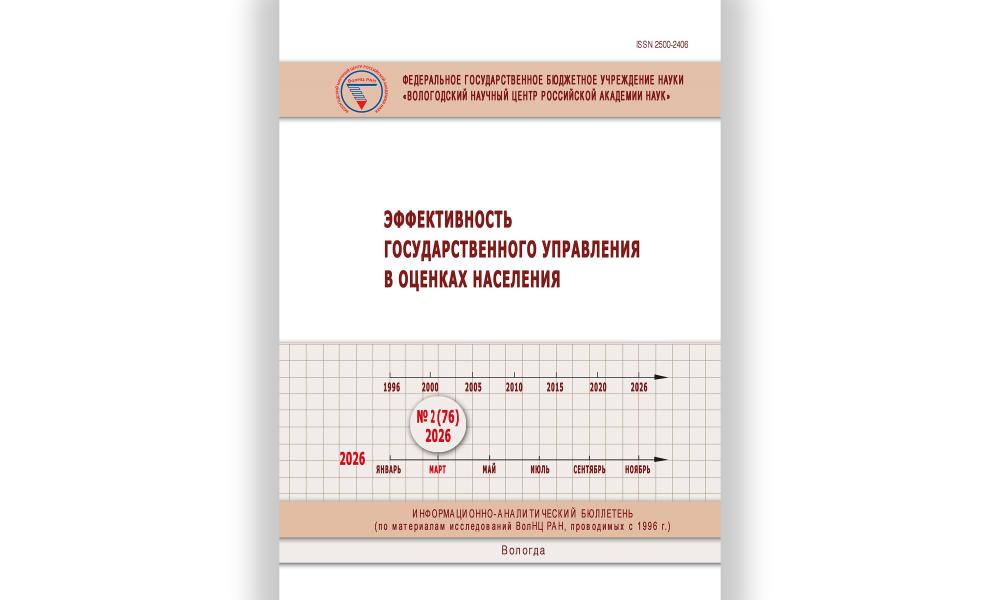
The second issue of the bulletin "Public Administration Effectiveness in population assessments", which was prepared by scientists of the VolSC RAS, presents an analysis of the dynamics of public opinion based on the results of monitoring conducted in the Vologda Oblast from January 20 to February 11, 2026. The study focuses on comparing the population's assessments of the political and socio-economic situation in the country and the region with the results of previous measurements: over the last two "waves" of surveys (February 2026 to December 2025) and over 12 months.
The bulletin traditionally examines the opinions of residents of the region about the activities of the President of the Russian Federation and federal authorities, the Governor of the Vologda Oblast, regional and municipal governments, analyzes the population's perceptions of their own financial situation, the dynamics of consumer sentiment, the main trends in social mood, patience and protest potential.
The second issue of the year includes a special section dedicated to the assessment by the population of the results of the previous year and expectations from the year ahead. The dynamics of estimates is analyzed both in annual comparison (2025 to 2024) and in the long term – for the entire period of the CBR (the indicators of 2025 are compared with the data of 2022).
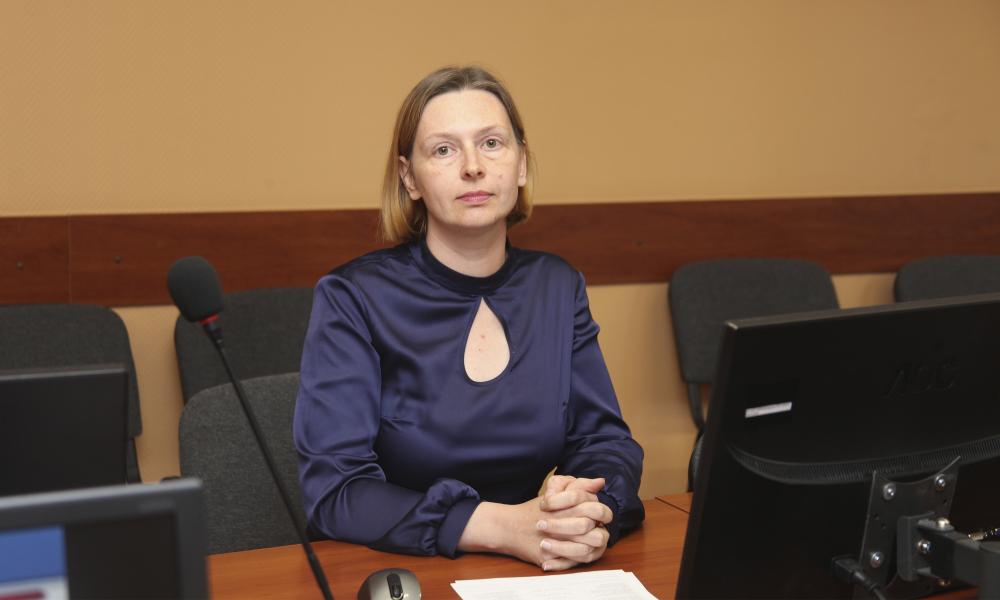
On March 31, 2026, Elena Yurievna Shirokova, a junior researcher at the Center for Structural Research and Forecasting of Territorial Development, made a presentation at a meeting of the permanent seminar "Regional Economics and Management" within the framework of the scientific school "Theory and Methodology of Management of Sustainable Socio-economic development of Regional Systems" (head – Doctor of Economics, Professor T.V. Uskova). The study proposed an integrated methodology for assessing and forecasting export potential, combining qualitative and quantitative methods, which can be adapted for other macroregions. The results of the work represent scenario forecasts and recommendations that can be used as a strategic planning tool.
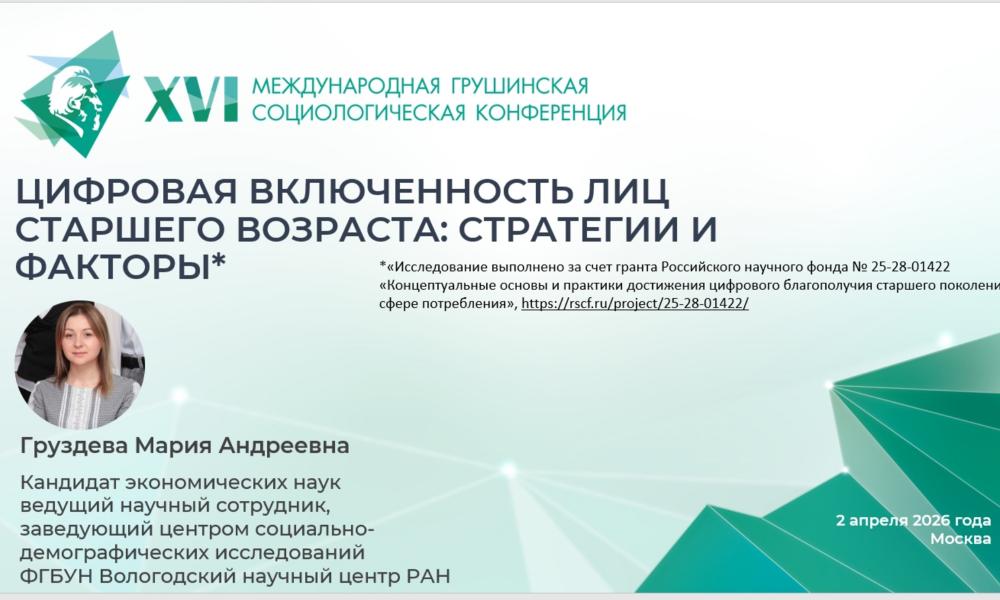
The research results of the VolSC RAS, obtained as part of the implementation of the Russian Science Foundation grant No. 25-28-01422 "Conceptual foundations and practices for achieving the digital well-being of the older generation in the field of consumption", were presented by the project leader, senior researcher, head of the Center for Socio-Demographic Research, PhD Maria Andreevna Gruzdeva at the XVI International Grushinsky Sociological Conference, which was held in Moscow on 26-27 March 2026. The main organizer was traditionally VTsIOM (the All-Russian Center for the Study of Public Opinion). The event brought together researchers, scientists, representatives of government, business, NGOs, and journalists and became a platform for studying public opinion, understanding and explaining social processes and phenomena.
This issue contains articles covering a wide range of issues of society's development in historical, social, political, economic, and axiological contexts: the effectiveness of the influence of social institutions on the economic behavior of the population, subjective assessment of health as an indicator of psychosocial capital and health-saving practices of youth, modern food culture, network communication configurations in online volunteer communities, and historical dynamics of the number and socio-economic status of the elderly in Russia. The results of monitoring public opinion on the results of 2025 in the estimates of the population of the Vologda Oblast are presented.
The magazine was founded in 2015. The editor–in-chief is A.A. Shabunova, Director of the Vologda Scientific Center of the Russian Academy of Sciences, Honored Scientist of the Russian Federation, Doctor of Economics. The publication has been assigned category K2 in the List of the Higher Attestation Commission.
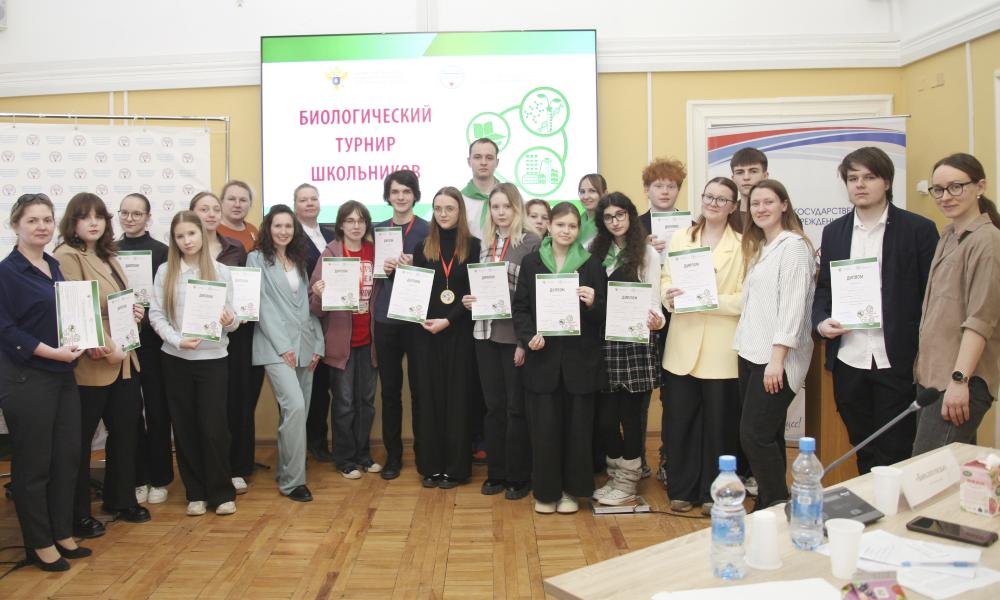
On March 24, 2026, the VII Biological Tournament of Schoolchildren was held among students of the Vologda Region at the Federal State Budgetary Educational Institution of the Russian Academy of Sciences. The event included two stages: correspondence and face-to-face. Applications for the correspondence stage were received from 17 educational institutions of the Vologda region: schools of Vologda, Cherepovets, Veliky Ustyug, Totma, Vologda, Vozhegodsky, Gryazovetsky and Cherepovets municipalities. During the tournament, the participants immersed themselves in the discussion of current environmental and technological challenges. The discussion covered the issues of increasing the safety of wood and the involvement of unclaimed forest raw materials in the turnover. Of particular interest and lively controversy were cases devoted to natural methods of restoring bee populations, the creation of biodegradable packaging from non-food raw materials, as well as the introduction of waste-free technologies for processing livestock waste directly on farms to obtain additional resources.
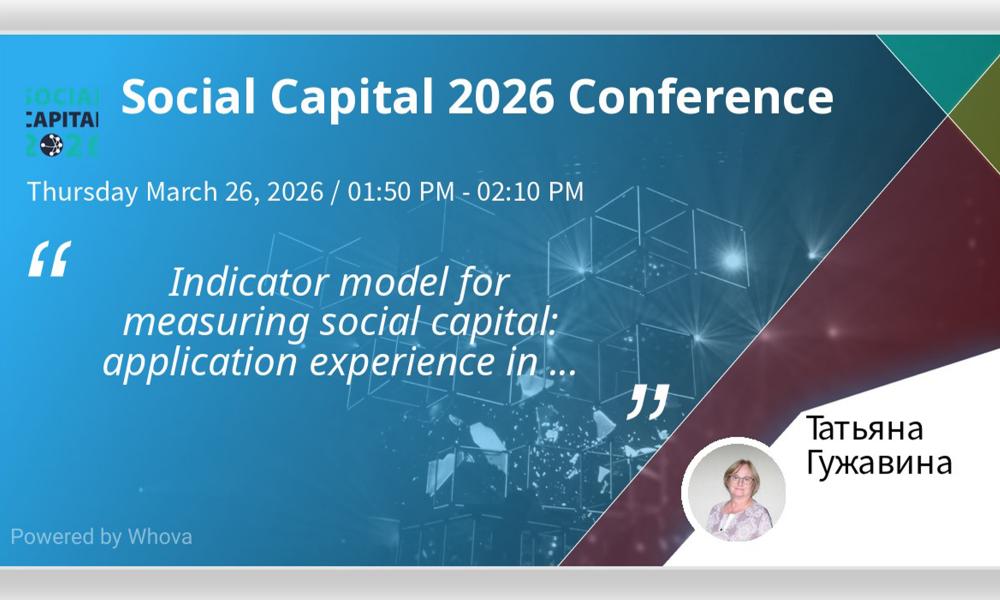
The First conference of the International Association of Social Capital (ISCA) "Social Capital 2026" was held on March 24-26, 2026. Researchers from India, New Zealand, Indonesia, Pakistan, Greece, England, the United States, the United Arab Emirates, Iran, Australia, African countries, etc. participated in its work. Russia and the Vologda Scientific Center of the Russian Academy of Sciences were represented by Tatiana Anatolyevna Guzhavina, PhD in Philosophy. She shared her experience in building and applying an indicator model for measuring social capital in a territorial community based on data obtained during monitoring observations conducted by the Center since 2016.
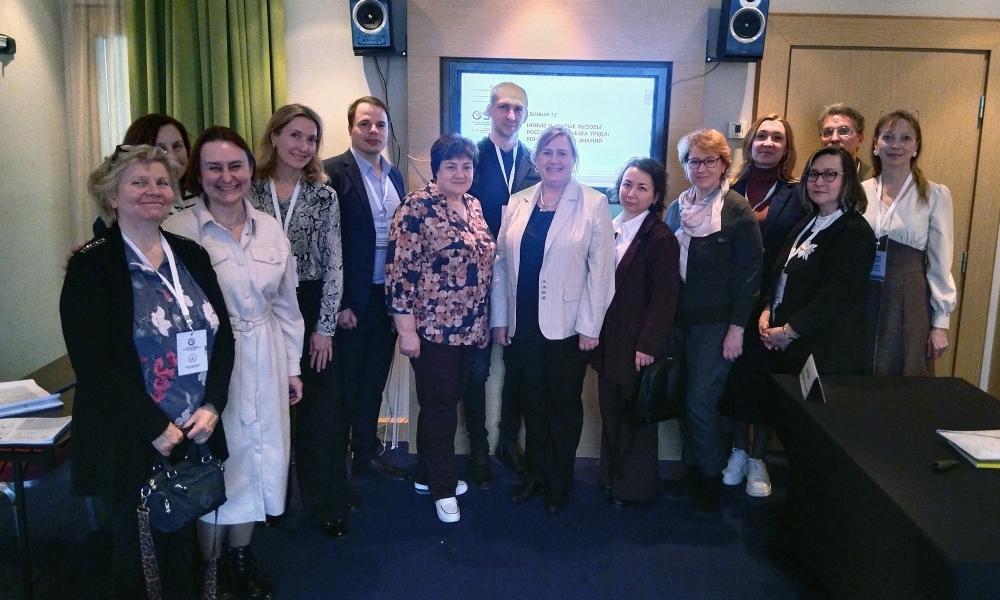
The delegation of the VolSC RAS, led by the Director, Doctor of Economics A.A. Shabunova, took part in the XI St. Petersburg International Economic Congress (SPEC-2026) on the topic "The Russian economy in the context of the transformation of the world order and the prospects for a technological transition", which took place on March 26, 2026 in St. Petersburg. The event was organized by the Witte Institute for New Industrial Development in cooperation with the Free Economic Society of Russia with the participation of the Economics Section of the Social Sciences Department of the Russian Academy of Sciences. The Organizing Committee of the Congress includes the scientific director of the VolSC RAS, Corresponding Member of the Russian Academy of Sciences, Honored Scientist of the Russian Federation, Doctor of Economics, Professor V.A. Ilyin. Within the framework of the congress, the VolSC RAS organized two seminars: "New and old challenges of the Russian labor market: competition for knowledge", "Structural transformation of the Russian economy: digitalization, intellectualization, cognitivization". They were moderated by A.A. Shabunova, Director of the VolSC RAS, Honored Scientist of the Russian Federation, Doctor of Economics, and E.A. Mazilov, Deputy Director, Candidate of Economics. At the breakout sessions, the Center was represented by the First Deputy Director, Ph.D. in Economics L.V. Babich, Deputy Director, Ph.D. O.N. Kalachikova, Deputy Director of the NWNIIMLPH, a separate division of the VolSC RAS S.A. Bashmakova, Head of the Center for Structural Research and Forecasting of Territorial Development, Ph.D. E.V. Lukin, leading researcher, Deputy Head. The Center for Socio-Demographic Research named after G.V. Leonidov, Ph.D. in Economics, and A.V. Popov, Ph.D. in Economics.
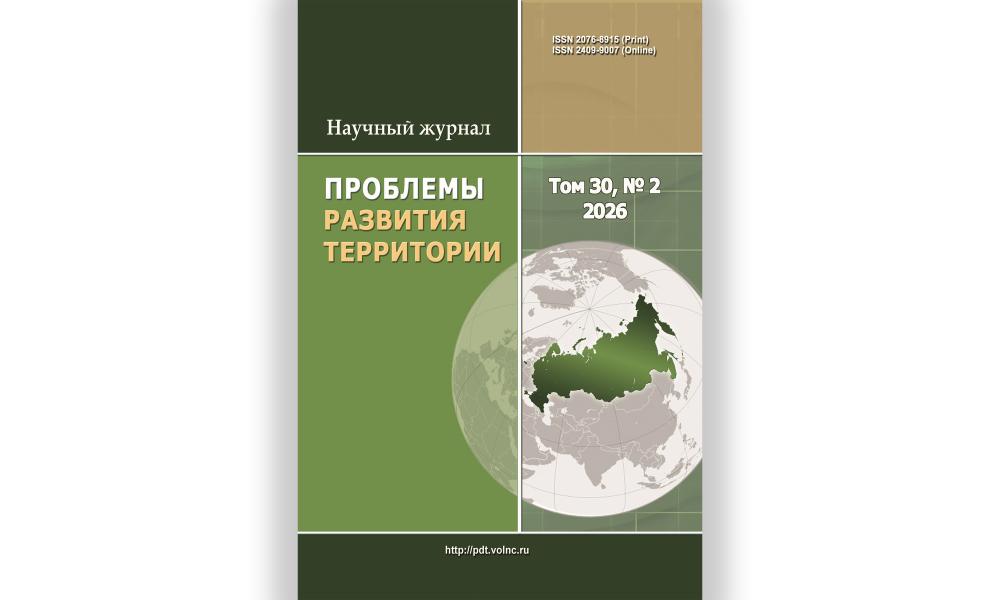
The magazine provides practical recommendations for the transformation of small and medium-sized mining towns into regional growth poles. The need to find new tools to attract financial resources to finance social projects and solve the most acute social problems at the regional level was commented on. The influence of the chemical industry on the development of territories on a global and national scale and further prospects for its growth in the domestic economy is determined. Socio-economic factors that influence changes in the demographic potential of Russian regions have been identified and described. The article presents economic trends in the North-West of Russia in 2025, as well as trends in changing the social well-being of the Vologda Oblast population in February 2026.
The journal has been published since 1997, and its founder is the Vologda Scientific Center of the Russian Academy of Sciences. The publication has been assigned category K1 in the List of the Higher Attestation Commission, it is included in the second level of the Unified State List of Scientific Publications (the "White List"). A full-text English-language version of the magazine has been published since October 2025.
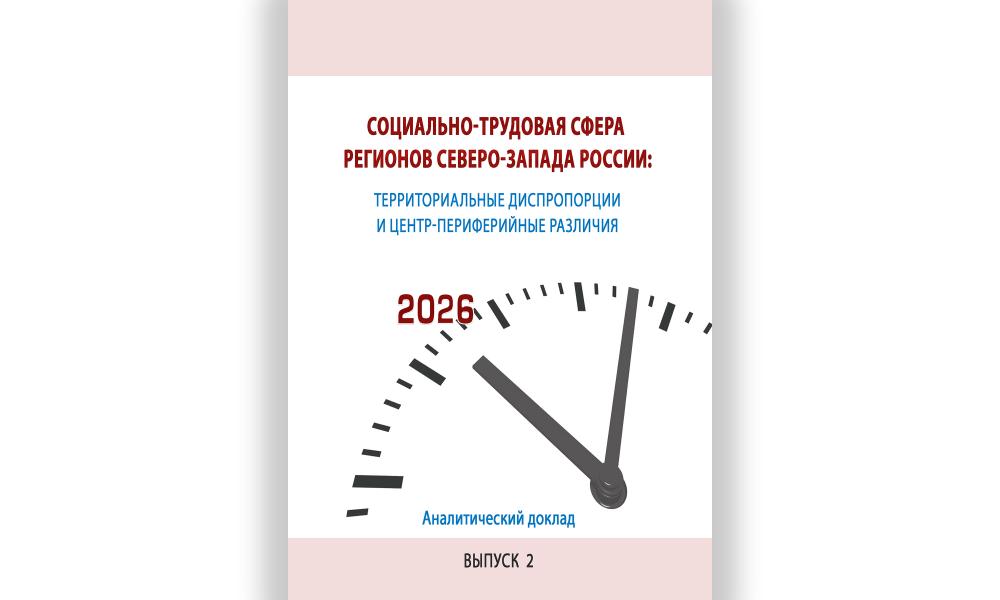
The analytical report summarizes the main trends in the development of the social and labor sphere in the subjects of the North-Western Federal District. Using official statistics and sociological research data from the Vologda Scientific Center of the Russian Academy of Sciences, the demographic aspects of the formation of labor resources and key vectors of the development of regional labor markets are revealed, the specifics of employment and the quality of working life of the population are revealed when moving along the center–periphery axis. In each section, the prospects for the development of the social and labor sphere are discussed and priority measures aimed at overcoming the identified problems are substantiated.
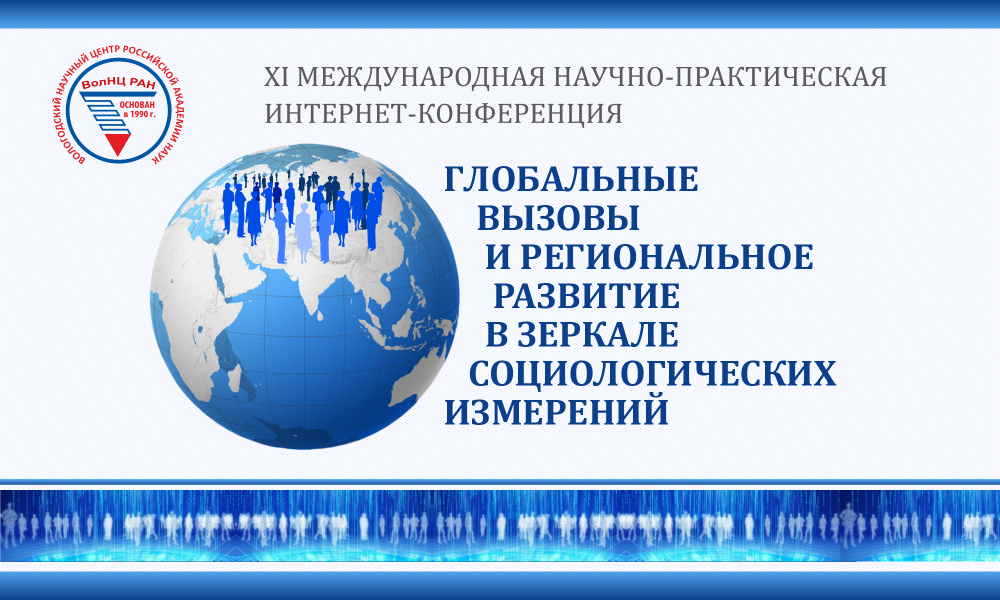
April 03, 2026 from 10:00 to 12:30 Moscow time. The Plenary session of the XI International scientific and practical Internet conference "Global Challenges and regional development in the mirror of sociological dimensions" will be held. During the Plenary Session, reports will be heard on issues of socio-demographic, economic and socio-cultural transformations faced by Territories in the context of global changes. Leading researchers and researchers from Russian and foreign scientific organizations will make presentations. At the end, the moderators of the sections will summarize the results of the conference, the authors of the best works in each section will receive diplomas of I, II and III degrees.
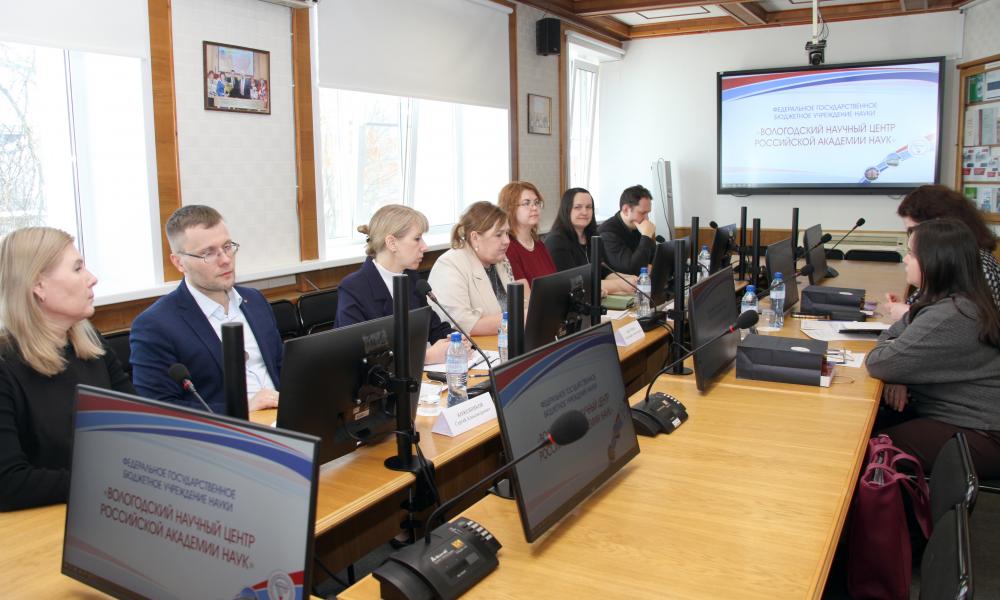
On March 18-19, 2026, the Vologda Scientific Center of the Russian Academy of Sciences hosted a scientific and methodological seminar organized in cooperation with the Institute of Market Economics of the Russian Academy of Sciences. The event became a platform for discussing issues of development and promotion of scientific journals: regulatory framework, quality criteria, organization of the editorial process, promotion of periodicals in databases.
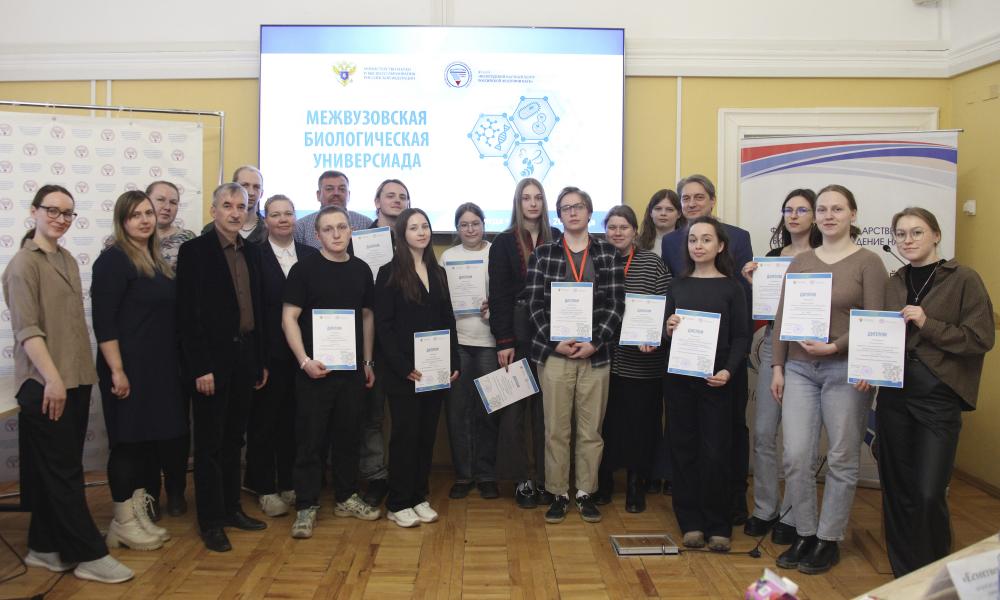
On March 23, 2025, the VII Interuniversity Biological Universiade was held at the FSBIH VolSC RAS. This year, it has acquired an interregional status: Vologda teams have been joined by participants from Yaroslavl. The main purpose of the scientific competition is to unleash creative abilities and identify the potential of future specialists in applied biology. During the event, the participants demonstrated the ability to conduct a discussion and knowledge in the field of biology, ecology and agriculture.
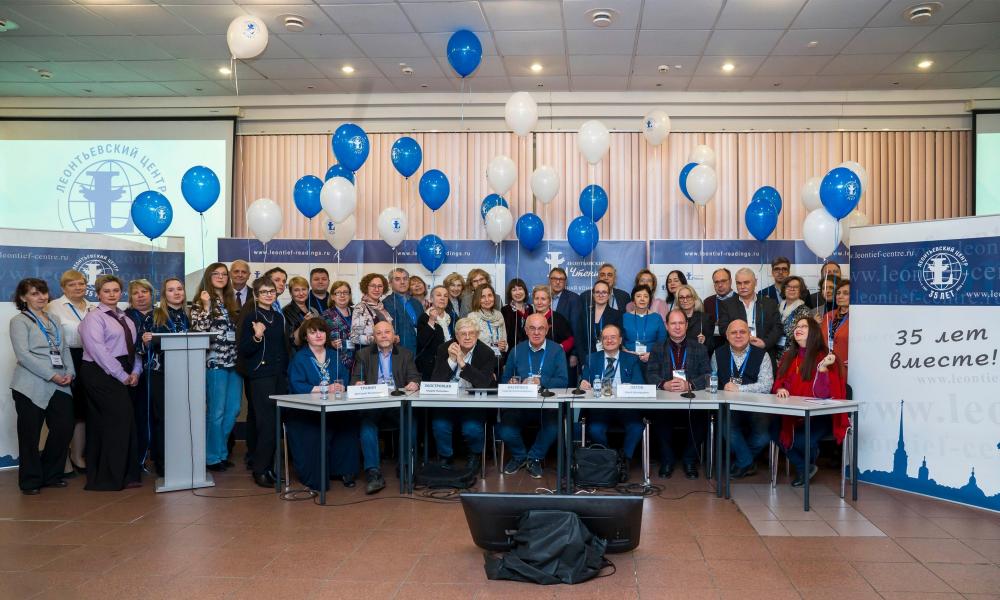
On March 20-21, St. Petersburg hosted the XXIV annual Leontief Readings Conference, dedicated to the 35th anniversary of the Leontief Center for International Socio-Economic Research. The Vologda Scientific Center of the Russian Academy of Sciences co-organized one of the key sessions of the second day of the conference. In 2026, the theme of the conference is "Development and inequality: global and local contexts." The event was attended by leading economists, sociologists and urbanists from different regions of Russia.
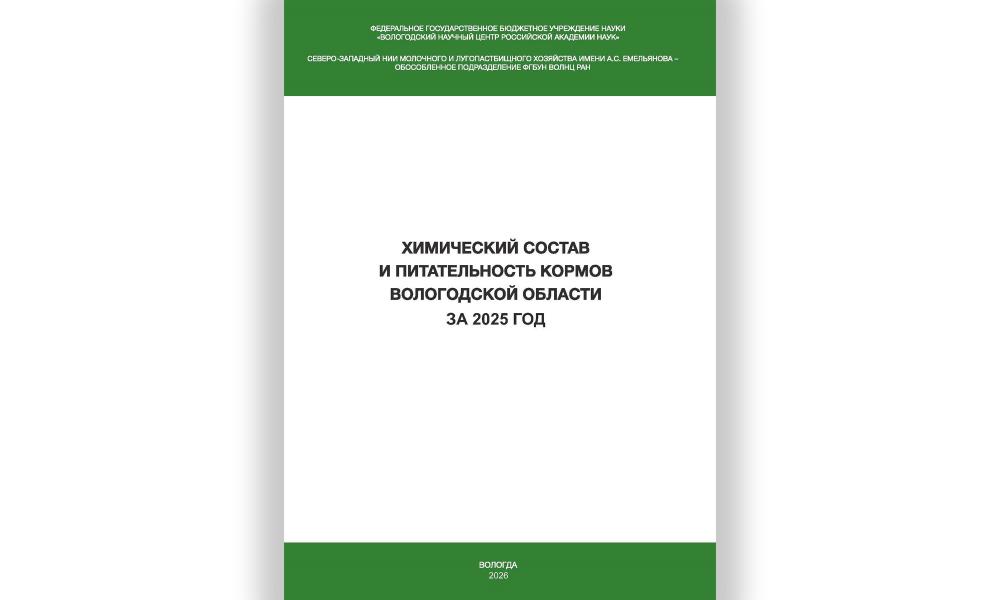
This handbook presents the average data on the chemical composition and nutritional value of feed in the Vologda Region, obtained at the Center for the Collective Use of Scientific Equipment "Center for Agricultural Research and Biotechnology", a structural unit of the Russian Academy of Sciences for 2025. They reflect the real state of the region's feed production and allow specialists to fine-tune diets. A key feature of the handbook is the deep integration of modern nutritional assessment parameters required for precision feeding of highly productive livestock. For the first time, the handbook presents data on feed analysis indicators indicating the proportion of protein bound to fiber (CDNSP – acid-detergent insoluble crude protein and neutral NDNSP – detergent insoluble crude protein). These indicators are critical for assessing the actual protein nutritional value, as they show how much protein is unavailable to the animal, and are a tool for precision (accurate) feeding, which is used in advanced farms and software packages for calculating rations (such as AMTS or CNCPS). A special feature of this reference publication is information about mycotoxins (toxic substances formed as a result of the vital activity of mold fungi). For the first time in such a publication, using the example of feed harvested by agricultural enterprises in the Vologda region, it is shown how widespread this problem is and what importance it has for the region.
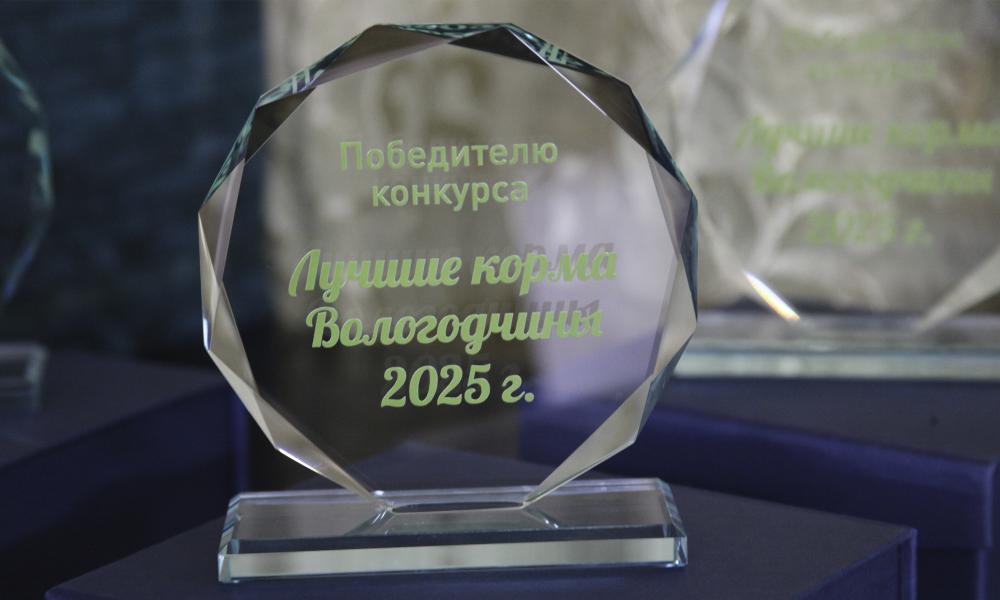
On March 19, 2026, a conference was held on the basis of the NWNIIMLPH, a separate division of the VolSC RAS, at which the results of the Annual regional Competition "The Best feeds of the Vologda region" were summed up. The event became a competition in the field of feed quality and a significant platform for demonstrating biotechnologies and experience in improving feed production technology in dairy farming. It should be noted that for 6 years the competition has remained popular among specialists and organizations of dairy farming in the Vologda region, and the presented reports and products for the agricultural sector contribute to improving the economic efficiency of agricultural production in the region.
Problems of economic growth and sustainable development of territories
Socio-cultural development of Russian regions: continuing the program of N. I. Lapin
Development of methodology for strategizing spatial integration of Russian regions
Characteristics of breeding and productive characteristics of cattle
